Global Chess League returning to India for a second straight season, this time in Bengaluru, is not really a chess decision. It is a market decision, and the numbers behind it tell you why franchise investors keep signing on.
GCL’s own figures point to a league that has grown its commercial footprint fast: media reach up 65% from Season 1 to Season 3, and media value up 2.4 times over the same stretch. Those are the metrics that matter to sponsors and franchise owners far more than any individual result on the board. A chess league that can show that kind of trajectory in three years is a much easier sell to outside investors than one still trying to prove the format works at all.
That shift matters. When GCL launched, the skepticism was about whether a franchise structure, teams, drafts, boards split by rating tier, could even function in a sport built around individual rivalries. Four seasons in, the conversation has moved from “can this work” to “how do we scale it,” with growing outside investment in franchises now part of the pitch.
Bengaluru itself is a calculated choice, not just a scheduling one. Billed as India’s tech capital and home to its major technology companies and a young professional workforce, it is the natural stage for a league that wants to lean harder into AR/VR and what organizers call a “Physical AI” layer for fans. Pairing a chess product with a tech-savvy audience and India’s booming, cricket-scale sports market is a bet that engagement numbers keep climbing before the league even worries about a third territory.
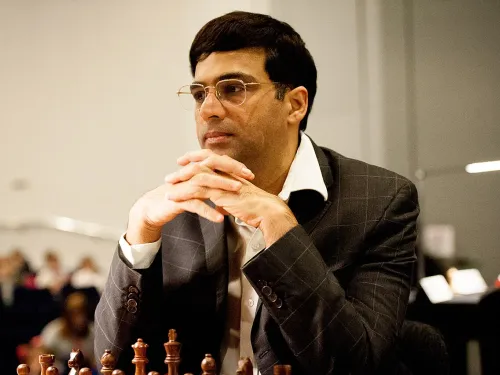
Then there’s the talent economics. Magnus Carlsen returning as an Icon player for the Alpine APL Pipers is a marketing asset as much as a competitive one, the same way a marquee signing works in any franchise sports league. Divya Deshmukh’s debut, fresh off becoming the first Indian woman to win the FIDE Women’s World Cup, gives a second-year Indian host market a homegrown superstar to sell tickets and broadcast minutes around. Viswanathan Anand’s move to a new franchise after three seasons with Ganges Grandmasters even functions like free agency, giving PBG Alaskan Knights a legend to anchor a very young roster.
None of this guarantees GCL becomes a permanent fixture on the calendar. Plenty of franchise sports experiments have burned through investor money before finding, or failing to find, a sustainable audience. But a league that can point to real, growing media value numbers is playing a very different game than one asking for patience on faith alone.
Original source: FIDE
Noticed an error in the article? Report it from here.