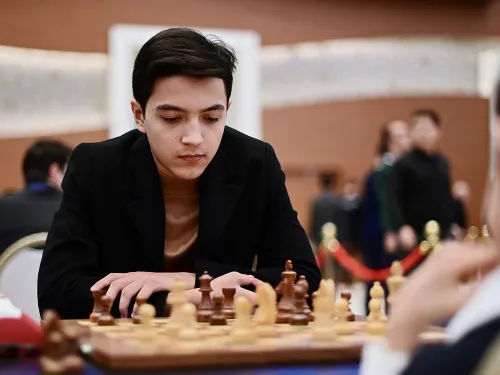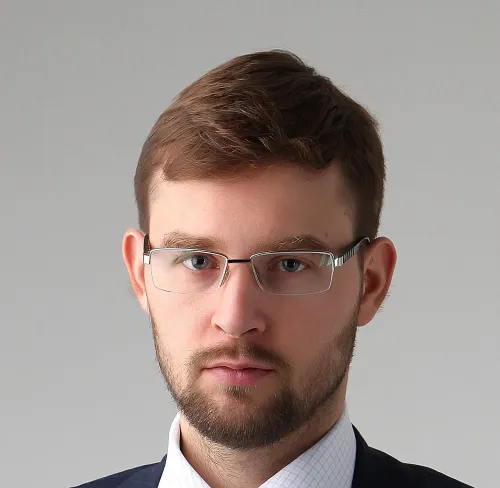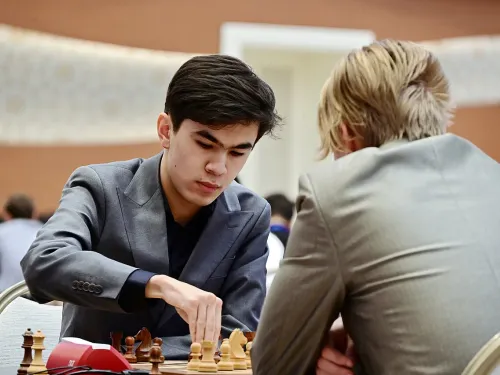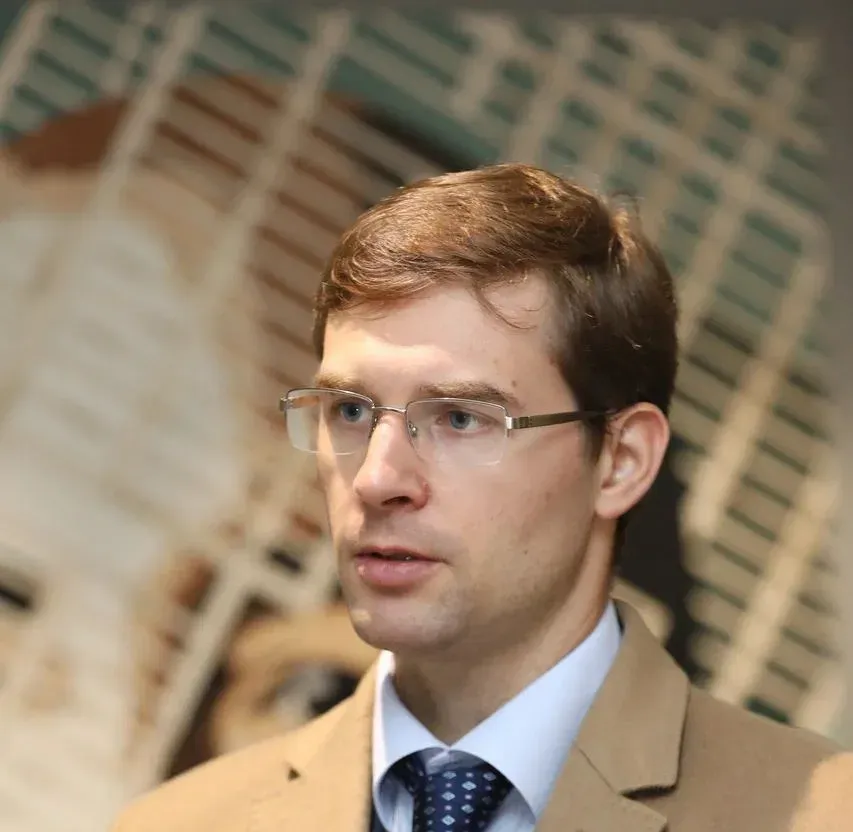
Timur Turlov
Kazakhstan’s head of state has formally welcomed the new head of world chess. According to a FIDE press release carried by ChessBase, President Kassym-Jomart Tokayev received newly elected FIDE President Timur Turlov and congratulated him on his election.
The meeting is as much a statement about Kazakhstan as about Turlov. Turlov was elected FIDE president, ending a 30-year run of Russian leadership, and he still serves as president of the Kazakhstan Chess Federation. The man who now runs FIDE is also the one running the national body whose achievements were being praised.
What Tokayev praised
Tokayev described chess as more than a sport in Kazakhstan, calling it a vital tool for developing the intellectual potential of the younger generation. He pointed to the recent progress of Kazakh chess, including strong results from national teams and the silver medal won by the Kazakhstani women’s team at the 46th FIDE Chess Olympiad in Samarkand.
The release gives one headline figure: more than 278,000 people across Kazakhstan are actively engaged in chess, which it describes as rapid growth in recent years.
Tokayev also stressed closer cooperation between the Kazakhstan federation and FIDE. He named educational initiatives, professional development for coaches and arbiters, and hosting major international events in Kazakhstan.
Turlov’s pitch
Turlov framed the country as an example for others. In his telling, government support, coordinated investment, educational integration and federation development can produce measurable results.
He said that over the past three years Kazakhstan has made significant progress. His list: strong results from top players and national teams, wider introduction of chess in schools, greater investment in coach training, and more opportunities for young players.
The key claim is about method. Turlov said a systematic approach and close cooperation among federation, government, schools and the private sector can accelerate growth. As FIDE president, he intends to help other federations build stronger systems adapted to their own circumstances, and to share Kazakhstan’s practices globally.
A model for export?
The private-sector point deserves attention. Turlov comes from finance, and he has talked about chess as a business built on sponsors. His Kazakhstan template mixes state backing with corporate money, and that is presumably the blueprint he would carry to FIDE.
There is a caution worth stating. Not every federation has a government eager to fund chess or a wealthy private sector to match it, and the phrase “adapted to their unique circumstances” acknowledges as much. How far a Kazakh model travels is an open question, and the release offers no specifics on funding for other federations.
Turlov also briefed Tokayev on FIDE’s priorities for the coming years: expanding chess in education, strengthening support for national federations, improving training for coaches and arbiters, developing youth chess, and creating more opportunities for international cooperation. Much of that list overlaps with what Tokayev wanted from Kazakhstan’s own partnership with FIDE.
The meeting ended with Tokayev wishing Turlov every success in his new role.
Original source: ChessBase
Noticed an error in the article? Report it from here.