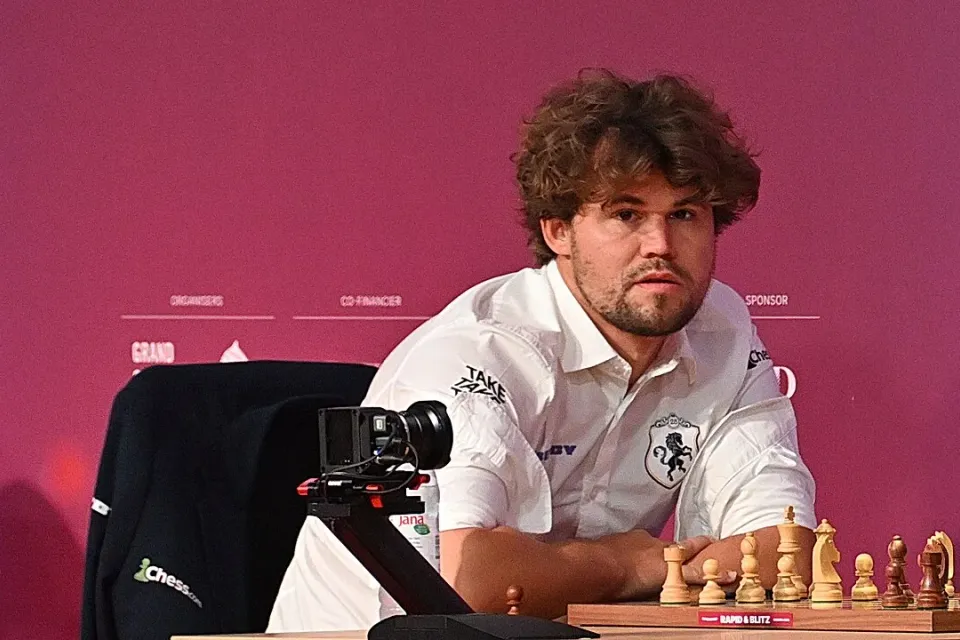
Magnus Carlsen didn’t just win the Chess Esports World Cup in Paris again, he did it without dropping a single game across the entire event. In the final, he beat Denis Lazavik by identical 3-1 scorelines in both sets, sweeping two decisive wins in each. Lazavik, a rising Belarusian grandmaster still building his reputation on the fast-time-control circuit, never found a way back into either set.
The scoreline is the kind of dominance that gets replayed in highlight clips, but the number worth sitting with is the paycheck. Carlsen’s title defense earned him $250,000, with Lazavik picking up a runner-up prize in the neighborhood of $190,000. That is not small change for a rapid and blitz event, and it puts the Esports World Cup’s chess prize fund on par with, or ahead of, plenty of longer classical tournaments that carry far more prestige on paper.
That gap between prestige and payout is the real story of chess’s current financial moment. Classical world championship cycles still dominate the sport’s historical narrative, but the money increasingly flows toward faster, more spectator-friendly formats that slot neatly into streaming schedules and esports branding. The Esports World Cup, built explicitly to blend traditional games with video-game-style competition and sponsorship, is a bet that chess can live inside that ecosystem and get paid esports-level money for doing it.
Carlsen has been the face of that bet for years now. He walked away from the classical world championship title in 2023 specifically because he found the format unmotivating, and he has spent the time since building a portfolio of faster, higher-visibility events, his own Freestyle Chess tour among them, that pay well and generate constant online attention. A second straight Esports World Cup title, earned without losing a game, is exactly the kind of result that reinforces his brand as the player who wins wherever the money and cameras go.
For a player like Lazavik, the calculus is different but arguably more interesting. Six-figure prize money for a runner-up finish is transformative for a grandmaster who isn’t yet a global superstar, and it signals that these newer events can function as a genuine career ladder, not just a Carlsen victory lap. If the Esports World Cup keeps writing checks like this one, expect more ambitious young players to prioritize it over traditional invitational tournaments that pay a fraction of the prize.
There’s a risk in that shift, of course. Chess federations and classical event organizers have historically struggled to match the marketing muscle and sponsorship dollars that come with an explicit esports label. If the biggest paydays keep migrating toward rapid and blitz formats branded as esports rather than chess tournaments, it puts pressure on everyone else to either rebrand or fall behind on prize funds.
None of that takes away from what Carlsen did on the board in Paris. Going through an entire world cup final without losing a game, against a genuine talent like Lazavik, is a statement of form as much as finance. But the size of the check waiting for him at the end is its own kind of statement about where competitive chess is heading next.
Original source: Chess.com
Noticed an error in the article? Report it from here.