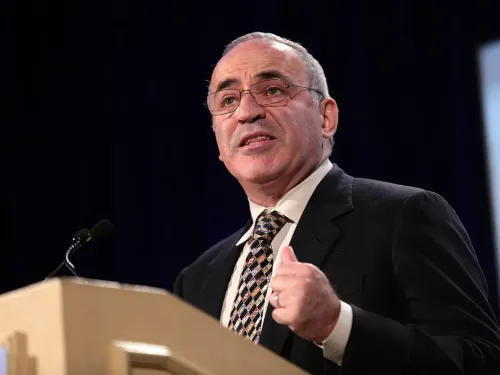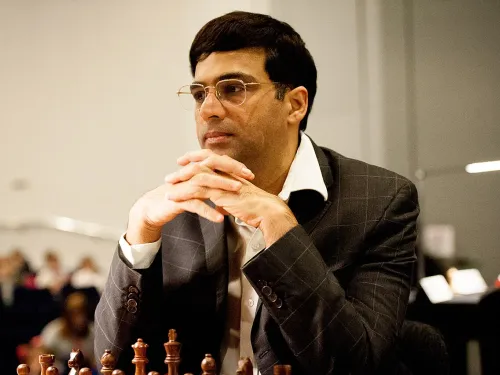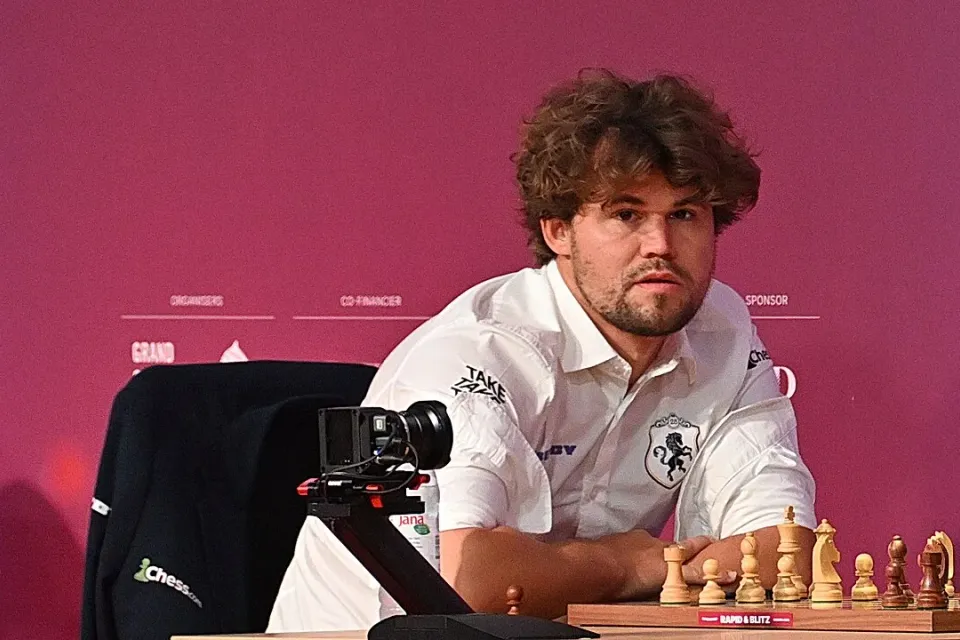
The headline from Budapest is the format: a pilot event blending fast classical, rapid, and blitz into something called “Total Chess.” But the more telling detail is who’s already committed. When Magnus Carlsen and Fabiano Caruana lend their names to a brand-new, unproven concept, that says less about time controls than about where they think the money and attention in professional chess are heading.
For the better part of three years, the top of the game has been fragmenting into competing ecosystems: the FIDE Circuit and Grand Swiss pathway to the world championship, Freestyle Chess’s Fischer Random tour backed by tech and finance money, various rapid/blitz series, and now this Total Chess pilot in Budapest. Each of these needs the same small pool of elite players to lend credibility, and each is competing for their calendar time and their willingness to be the face of a new product.
Carlsen in particular has become the market-maker in this dynamic. He isn’t chasing the classical world title, which frees him to treat his schedule as a portfolio: headline Freestyle events, take an occasional classical outing, and now test a pilot format, all while signaling to organizers and sponsors that his participation alone can validate an event before a single game is played. Caruana’s presence alongside him matters too. It suggests this isn’t a one-man vanity project but something with enough weight behind it to draw a second top-five player.
A pilot is, by definition, a test of the format, but also of the business model behind it. Eighteen confirmed players is a real field, not a token gesture, and assembling that many strong names for a November event in Budapest implies organizers have already lined up appearance fees or prize money sufficient to make the trip worthwhile for players who have plenty of other options. That’s the quiet financial subtext here: someone is willing to pay real money to find out whether “Total Chess,” classical speed, rapid, and blitz combined into one scoring system, can become a viable recurring product rather than a one-off experiment.
If the pilot succeeds and a full tour follows, it adds yet another line item to the increasingly crowded elite chess calendar, and another bidding war for the handful of players whose names actually move ticket sales, sponsorship interest, and streaming numbers. If it fizzles, it joins a growing list of formats that couldn’t out-compete the established rapid/blitz and Freestyle circuits for player buy-in past the pilot stage. Either way, Budapest this November is another data point in the ongoing scramble to define who controls the economics of top-level chess.
Original source: Chess.com
Noticed an error in the article? Report it from here.