Timur Turlov
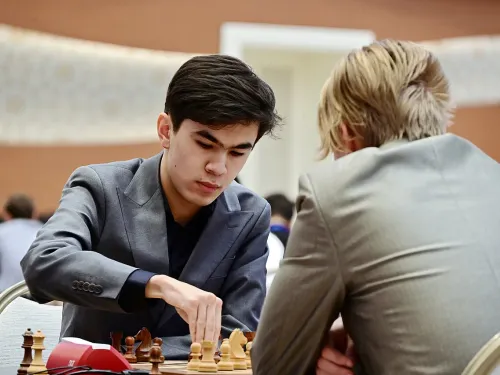
The FIDE General Assembly met on 26-27 September in Samarkand, alongside the 46th Olympiad and the FIDE Congress. FIDE’s summary of the main decisions covers a leadership slate, a charter change, a new rating list and a hosting plan for 2030. Most of the lasting business sits outside the elections.
A rating list for Chess960
The Assembly approved a FIDE rating system for Fischer Random Chess (Chess960), on the condition that it is elaborated and implemented no later than 1 June 2027. The proposal came jointly from the German, Icelandic, Norwegian and Irish federations and the Faroe Islands Chess Federation.
Their argument was that the variant keeps growing while the lack of an official rating has kept it out of the wider competitive ecosystem. That is a sensible case. Top players already treat 960 as a serious discipline, but without a FIDE number it has lived apart from the classical, rapid and blitz lists.
The deadline matters as much as the approval. A date of 1 June 2027 forces FIDE to settle the hard questions: how to seed new ratings, and how events qualify to count.
Qatar first, Georgia as backup
For the 2030 Olympiad, the Assembly noted that both the Qatar Chess Association and the Georgia Chess Federation are ready to host. It also covers the Olympiad for People with Disabilities and the FIDE Congress in 2030.
The Management Board was told to negotiate with Qatar. If official organisational and financial guarantees arrive, it will inform the Council and sign the contract after formal approval. If the guarantees do not arrive and no contract is signed within a reasonable timeframe, the right to sign passes to Georgia, again subject to guarantees.
The structure reads as a hedge. Olympiads have a record of host trouble, so a named fallback with a contract trigger avoids a scramble later. It also puts the burden on Doha to produce paper, not just enthusiasm.
A French name on the letterhead
A new Article 5.7 of the Charter recognises FIDE’s historical French name. Whenever the full institutional name appears with the acronym, seal, flag or emblem, it will read International Chess Federation / Fédération Internationale des Échecs.
The change is cosmetic by design. English stays the official and working language, and there is no new duty to translate regulations, minutes, contracts or news into French.
The leadership line-up
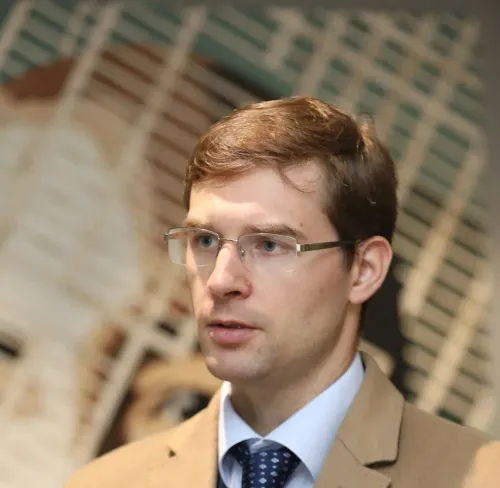
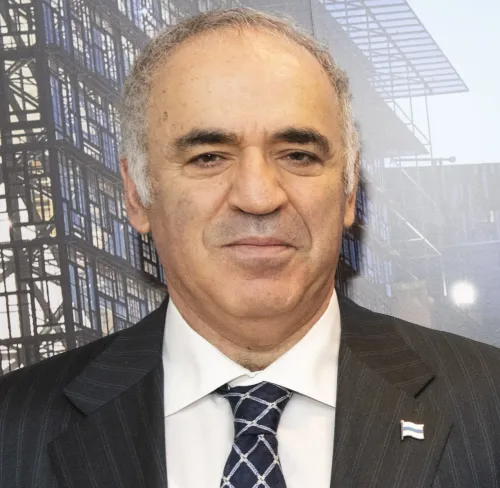
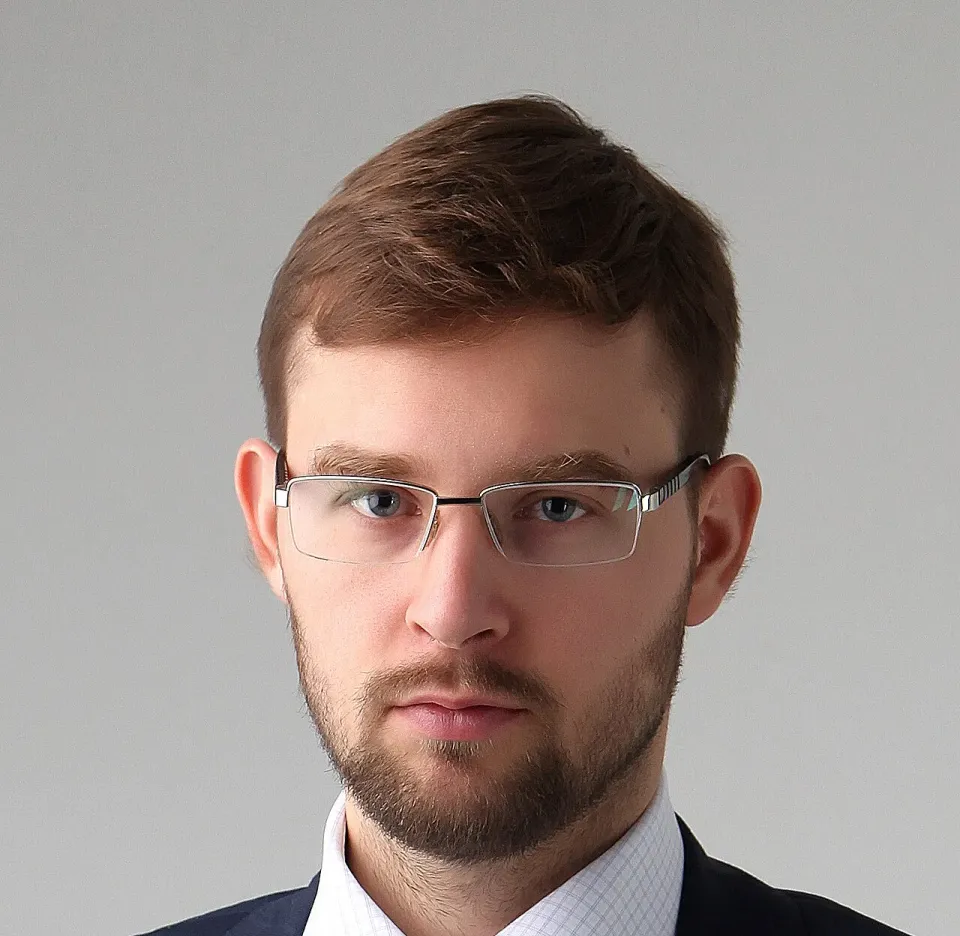
Timur Turlov was elected FIDE President, with Viswanathan Anand as Deputy President. The elected Vice-Presidents are Yuhua Xu (CHN), Michael Khodarkovsky (USA), Pavel Kolobkov (RUS) and Yassin Souleiman Hassan (DJI).
Turlov’s nominees were also elected: Luigi Maggi (ITA) as Treasurer, Bouchra Kadiri (MAR) as Vice-President and Secretary of the Council, and Mahir Mammedov (AZE), Carol S. Williams Pesqueira (ARU) and Mykhailo Podolyak (UKR) as Vice-Presidents.
Francois Strydom (RSA) joins the Constitutional Commission. The Assembly also backed the President’s choice of Jorge Arias (URU) as its Secretary.
Honorary Vice-Presidents
The Assembly approved up to five Honorary Vice-Presidents who can take part in the Council’s work with every right except voting. Four nominees were put forward for Council approval: Rustam Kasimdzhanov (UZB), Javier Ochoa De Echaguen (ESP), Fouad Fahmi Darwish (UAE) and Michael Stoettinger (AUT).
One reading is that the post gives the new president a way to keep experienced figures in the room without altering the voting balance.
What comes next
An Extraordinary General Assembly will convene online in late 2026. The Council must prepare the 2027 budget and a provisional 2028 budget for that meeting. The full list of decisions and official documents will follow later.
Original source: FIDE
Noticed an error in the article? Report it from here.