Gukesh Dommaraju
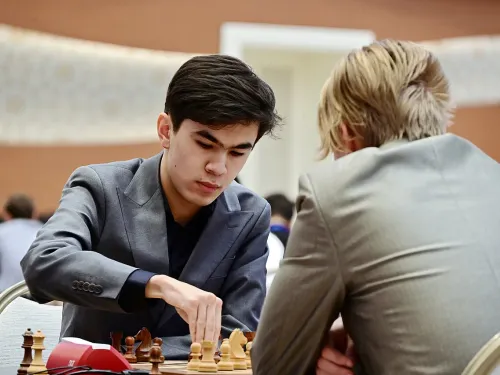
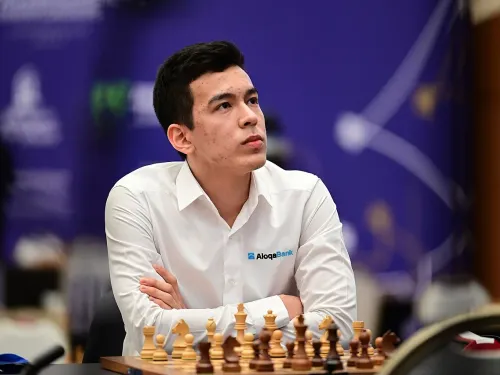
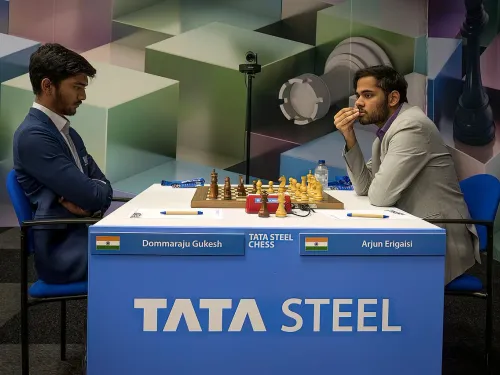
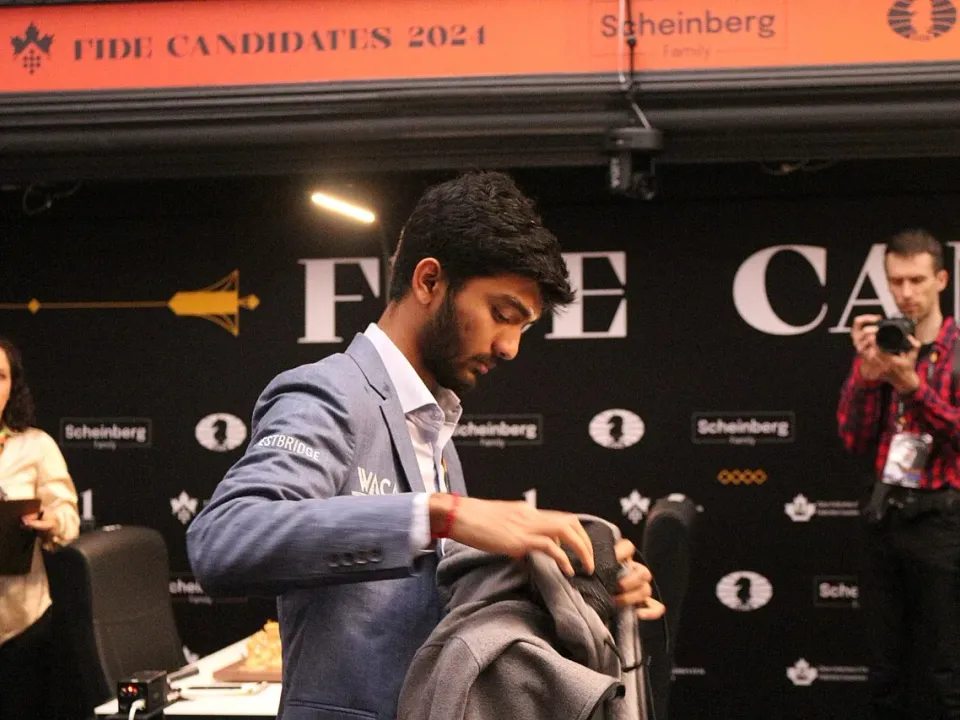
FIDE has locked in the details for the next World Championship match, and the venue choice does more work than a press release usually allows. The Salesforce FIDE World Championship Match 2026 will run from 22 November to 12 December at the Fondation Martin Bodmer in Cologny, Geneva, pitting reigning champion Gukesh D against challenger Javokhir Sindarov.
It’s the first time a world title match has landed in Switzerland since Brissago in 2004.
That’s not a small gap. Twenty-two years is long enough that most fans following this match weren’t watching, or weren’t born, when Vladimir Kramnik defended his title on the shores of Lake Maggiore. Switzerland’s absence from the World Championship map for that long makes its return notable on its own, before you even get to who’s playing.
And who’s playing is itself the bigger historical marker. Gukesh and Sindarov will both be 20 when the match begins, which FIDE and the match regulations flag as the youngest World Championship contest in history. Gukesh is defending the title for the first time since beating Ding Liren in Singapore, where he became the youngest undisputed World Champion in chess history at 18.
Sindarov qualified by winning the 2026 FIDE Candidates Tournament in Cyprus, finishing unbeaten with a round to spare on 10/14, less than five months after becoming the youngest-ever FIDE World Cup winner. He’s also the first player from Uzbekistan to reach a match for the undisputed title.
Interim FIDE President Viswanathan Anand, who has his own history of playing world title matches in unconventional cultural settings, drew the comparison himself. He noted he had “played World Championship matches in some extraordinary cultural settings, including the Olympic Museum in Lausanne and the Bundeskunsthalle in Bonn,” adding that the Fondation Martin Bodmer “belongs to that tradition.”
That lineage matters more than it might first appear. World Championship matches have increasingly moved away from generic conference-hotel ballrooms toward venues with their own institutional weight, museums, foundations, cultural landmarks. Anand’s own playing career threads through several of them, which makes his framing of Geneva less like sponsor-speak and more like a veteran noting a pattern he helped establish.
The format itself is unchanged from recent cycles: a maximum of 14 classical games, first to 7.5 points takes the title, with a 120-minute-for-40-moves time control and a 30-second increment kicking in after move 41. Draw offers are barred before Black’s 40th move except through the arbiters in cases of repetition or stalemate.
A 7-7 deadlock after the classical games pushes the decision to tiebreaks on 12 December, starting with four rapid games at 15 minutes plus 10 seconds, dropping to 10-minute and then three-minute games if the tie persists, with colors reversing after each drawn game in that final stage.
The prize fund sits at USD 2.5 million net of local taxes. Each player earns USD 200,000 per decisive game, including wins by forfeit, with the rest split evenly. A 7.5-6.5 finish with 13 decisive games, or an 8-6 scoreline with all games decisive, pays the winner USD 1.3 million against USD 1.2 million for the runner-up, a split that also applies if the match reaches tiebreaks.
Salesforce, which joined FIDE as title sponsor in September 2026, has this match as part of a multi-year deal that also covers the 2028 World Championship and the 2027 Women’s World Championship. The first classical game is set for 24 November, with the last scheduled game on 11 December before any tiebreaks the following day.
Original source: FIDE
Noticed an error in the article? Report it from here.