Rasmus Svane
Germany’s bronze medal at the Samarkand Olympiad is its first for a men’s team in 26 years. A feature in the Thüringer Allgemeine, republished by ChessBase, argues that the roots of the result lie in Thuringia and in one man’s long-running youth project.
That man is Bernd Vökler, a native of Apolda who has been Germany’s national youth coach since 2003. The piece describes him as one of the most important sources of ideas within the German Chess Federation.
An experiment in Dresden
The story starts at the 2008 Olympiad in Dresden. As hosts, Germany could field three teams, and Vökler used the extra slot to send a youth squad rather than another side of experienced masters. The young players did surprisingly well against international opposition.
A year later he went further. Intensive support in Germany normally began at 14 or 15, but he wanted to start earlier. He took nine- and ten-year-olds into a five-year programme, and the group became known as the Chess Princes.
The princes grow up
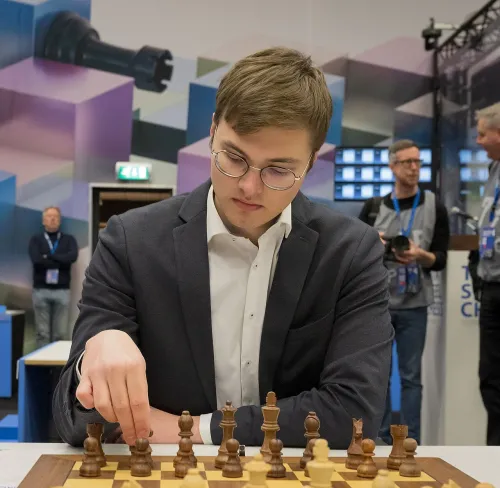
Matthias Blübaum, Alexander Donchenko and Rasmus Svane were all in that first group. Seventeen years later, all three played in Samarkand for the bronze-medal team.
They were joined by Vincent Keymer and Frederik Svane, who are six years younger than the original trio. It is a neat illustration of a pipeline: the programme’s older graduates and a following cohort ended up in the same Olympiad team.
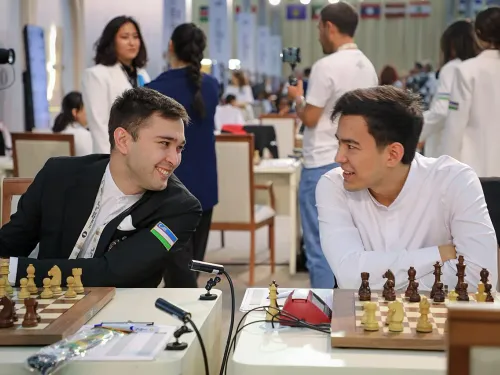
One example of the team in action was the round-ten match against France, a 3-1 win with the Svane brothers winning on the bottom boards.
Vökler also created the “Chess Year”, which lets young elite players spend the time between school and university treating chess as a profession. Blübaum was among the first to try it.
A Thuringian thread
The region’s link to German Olympiad success goes back further. When Germany won silver in Istanbul in 2000, its previous medal until now, Erfurt-born grandmaster Thomas Luther was on the team. In Samarkand he was back in another role, heading the FIDE commission that oversees the Para Chess Olympiad, held alongside the main event for the first time.
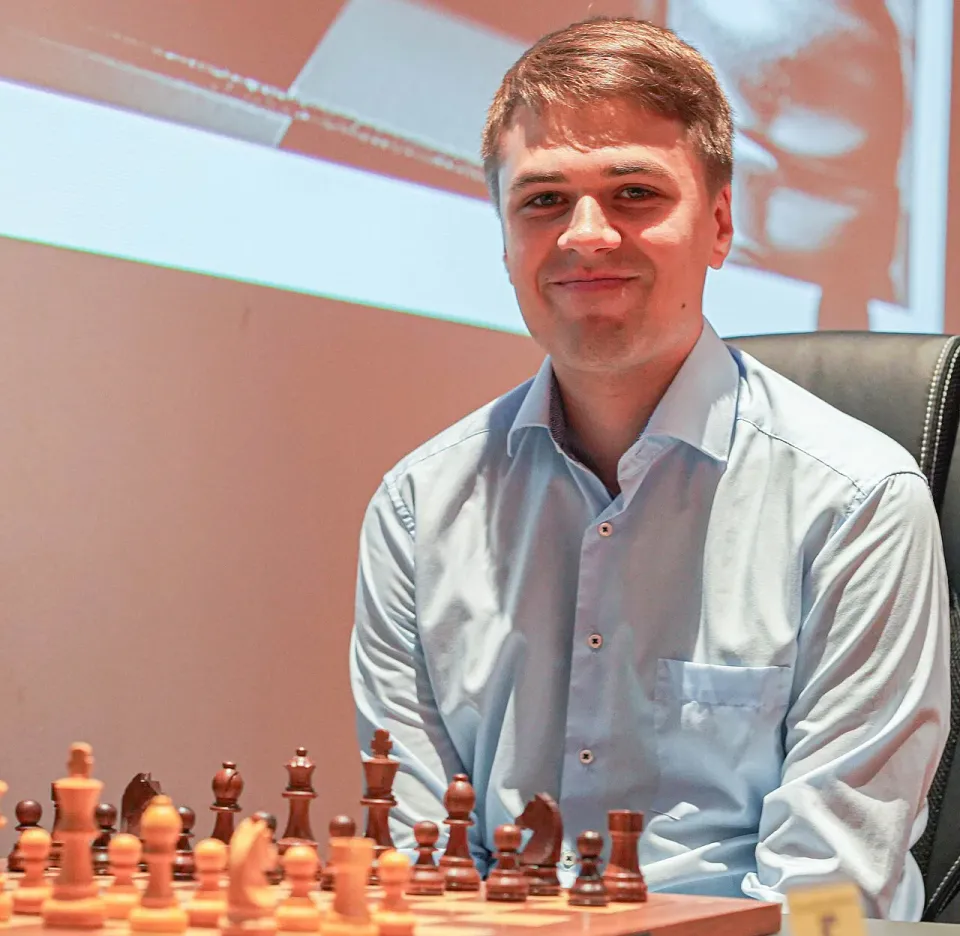
Another Erfurt grandmaster, Thomas Pähtz, played for East Germany at the 1988 Olympiad. He is credited with discovering and guiding 14-year-old Christian Glöckler, named as one of the most promising talents coming through.
Money and what comes next
The result may matter beyond the board. The Olympiad is a so-called target event for German federal funding, and a top-three finish could improve chess’ ranking and bring roughly 120,000 euros more per year.
Vökler is also pushing a German bid to host the 2028 World Junior Championship in Bad Blankenburg. Success would give players like Glöckler a home stage.
While the senior team played in Uzbekistan, Vökler was back in Bad Blankenburg training the next group. When the medal was confirmed, he sent a group photo to Samarkand, in the article’s phrase the young princes greeting the crown princes.
The medal also had a lighter beginning. At a pre-Olympiad training camp in Bad Blankenburg, supported by Peter Svidler, Rasmus Svane joked that any medal would be thanks to the local raspberry spritzer. The joke has since become something of a team symbol.
One caution is worth keeping in mind: a single cohort is a small sample, and Keymer’s generation was formed by many hands. Still, the cohort of nine- and ten-year-olds from 2009 now sits at the board in an Olympiad medal team, which is a fairly direct return on a decision made 17 years ago.
Original source: ChessBase
Noticed an error in the article? Report it from here.