Peru's Saco Oliveros Academy Turns a School Chess Title Into a Statement of Method
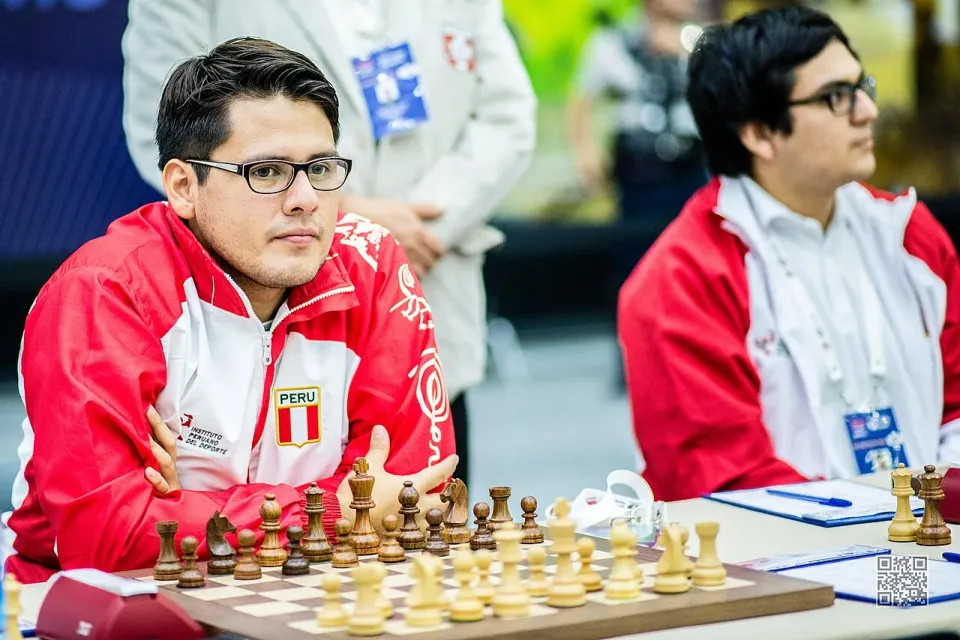
The American Continental Stage of the FIDE ISCF World Schools Team Championship 2026 wrapped up at the DoubleTree by Hilton Cariari in San José, and the team that had been out front since midweek never let go. The American Continental Stage of the FIDE ISCF World Schools Team Championship 2026 concluded at the DoubleTree by Hilton Cariari in San José, with the team that had led the standings since Wednesday still in front. Saco Oliveros de Lince, representing Peru, closed the week having done what few teams manage in a format built for upsets: Saco Oliveros de Lince of Peru won the title without losing a match all week.
The closing ceremony itself carried a distinctly regional flavor, ending not just with medals but with a gesture toward the people who get kids to chess practice in the first place. San José closed with emotion and a tribute to mothers. In much of Latin America, Mother’s Day falls in mid-May, and a scholastic event choosing to fold that tribute into its award ceremony says something about how these tournaments are run: as much community festival as sporting contest.
That framing matters when you look at who actually won. Saco Oliveros isn’t a school in the traditional sense so much as a Peruvian chess academy brand, one of the more prominent private chess training operations in the country, and its presence atop this bracket fits a pattern that has been building in scholastic chess for two decades now. Where national school championships were once dominated by whichever public school happened to have an enthusiastic teacher running a lunchtime club, the modern era of team scholastic chess increasingly rewards structured academies that recruit, train, and field teams the way a football club fields youth sides.
That shift isn’t unique to Peru. China’s provincial chess schools, India’s private academies feeding the Chennai and Chennai-adjacent pipeline, and now Latin American academy brands like Saco Oliveros are all versions of the same trend: the individual prodigy story giving way to the institutional pipeline story. An unbeaten run through a full week of team matches, against a continental field, is a better advertisement for a training methodology than any single junior title could be. It tells parents and federations alike that the academy’s system, not just one gifted kid, produced the result.
There’s a second layer worth noting too. The event ran as a continental qualifying stage rather than a standalone tournament, meaning San José was a stop on a longer road under FIDE’s ISCF umbrella rather than the final destination. That structure, continental stages feeding into a broader World Schools Team Championship, mirrors how FIDE has organized its adult team competitions for years, from zonal qualifiers up through Olympiad-style finals. Extending that scaffolding down to the school level is relatively recent, and it changes the stakes of a week like this one in San José: it’s not just a trophy for Peru, it’s a credential.
For a small academy-driven federation like Peru’s, a clean, loss-free run through an American continental stage is the kind of result that gets cited in recruitment materials for years. Whether that translates into a deeper run at the world stage remains to be seen, but the foundation, an academy system building depth rather than relying on one standout player, is exactly the model international chess development has been trending toward.
Original source: FIDE
Noticed an error in the article? Report it from here.