The 'Curse of the Draw' Follows the Grand Chess Tour to St. Louis
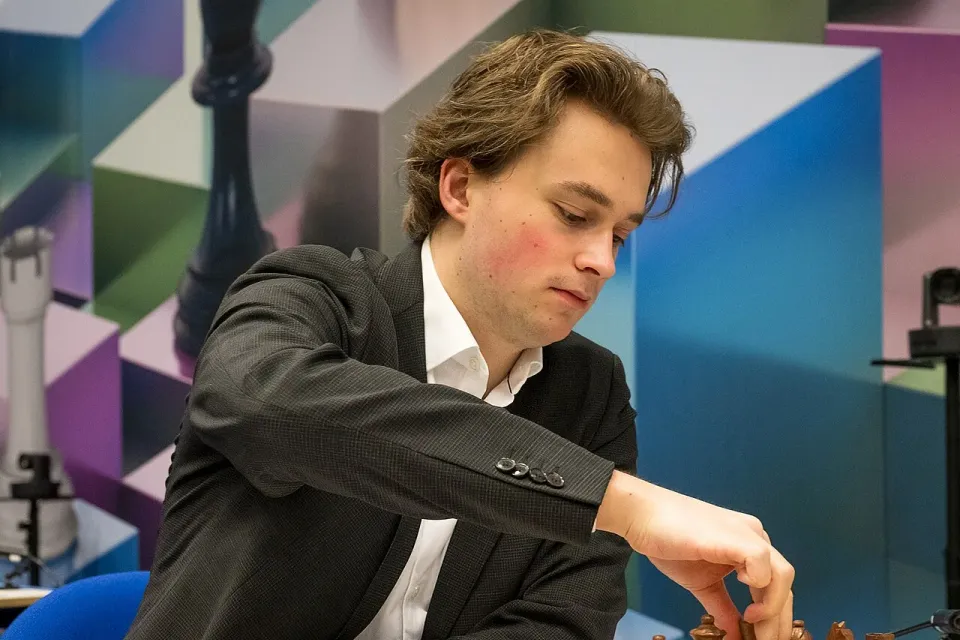
Day one of the 2026 Grand Chess Tour Finals gave St. Louis exactly the kind of chess that makes commentators tear their hair out: two fights, two full points on offer, zero decisive results. In the headline semifinal, a Gen Z clash between GMs Vincent Keymer and Praggnanandhaa Rameshbabu saw both players hold a big advantage at different points before the game fizzled to a draw. In the other bracket, dubbed the Match of the Millennials, GM Fabiano Caruana survived some anxious moments to hold GM Wesley So to a draw as well.
The format leaves no room to hide from those results. The $450,000 Finals run as a single-elimination knockout between the tour’s top four: Caruana, So, Keymer, and Praggnanandhaa. Each match is eight games long, two classical worth 6 points for a win and 3 for a draw, two rapid worth 4 and 2, and four blitz worth 2 and 1, with the overall winner taking home $200,000. Day one’s split classical results meant both semifinals opened level, with day two set for Sunday, August 23 at 1 p.m. ET.
What’s actually getting talked about, though, isn’t the scoreline. It’s why a field this strong keeps producing draws. This isn’t a new complaint in St. Louis this summer: the recently concluded Sinquefield Cup had already made draws as much a talking point as the chess itself, and the GCT Finals opening two more only added fuel. Eight-time Russian champion GM Peter Svidler, on the broadcast, floated his own theory for why decisive games have become so scarce in this cycle, a comment that’s since been picked up and repeated across chess media as shorthand for the whole debate.
The irony is that the games themselves weren’t cautious. Keymer came in with a strong live rating and had been playing well across the tour, and Praggnanandhaa and So had reportedly leaned on their recent Sinquefield Cup form heading in, according to tour organizers, which made the outcomes look harder to square with the stats. Both featured swings and genuine chances rather than the kind of 15-move handshake draws that usually spark complaints. That distinction, fighting draw versus dead draw, is exactly what fans and commentators tend to argue about in these moments: is the format failing to reward decisive play, or are these just two of the best four players alive canceling each other out?
The broader arc of this event ended up answering the question, at least partly. The following days broke the pattern, with a decisive game in the Keymer-Praggnanandhaa rematch and Caruana eventually beating Praggnanandhaa in the first classical game of the final after an opening error cost a pawn. Praggnanandhaa went on to close out the semifinal against Keymer with games to spare before the final field was set, so the draw-heavy opener wasn’t a sign the event itself was flat, just a slow start for a field that’s now had eleven editions and six different tour champions.
For a knockout format built to force resolution through rapid and blitz tiebreaks if needed, day one was a reminder that the tension in elite chess doesn’t always show up on the scoreboard. It shows up in a rook grab under time pressure, a novelty that nearly blows up in its creator’s face, or a commentator on air trying to explain why none of it is translating into results yet. St. Louis got its answer soon enough, just not on day one.
Original source: Chess.com
Noticed an error in the article? Report it from here.