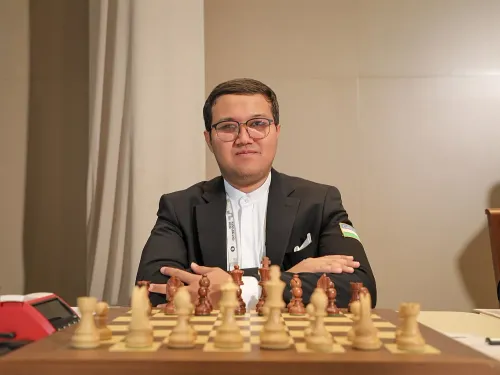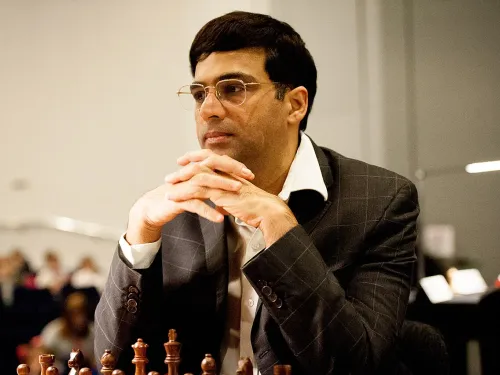
Edward Khachatryan of Israel needed to beat defending champion IM Nhat Minh To twice in one day to become the 2026 Duck Chess Champion, and he did exactly that. Khachatryan won the Winners Final and then had to do it again in the Grand Final, a quirk of the double-elimination bracket that gives the loser of the first meeting one last shot before the title is settled. For that, he pocketed a winner’s purse of $750, out of a total prize fund of just $2,500 for the entire event.
That number is worth sitting with for a second. In an era when top-flight rapid and blitz events routinely hand out six-figure prize funds, a world championship title in a chess variant settling for a $750 top prize, with the runner-up taking home $500 and third place just $350, tells you exactly where Duck Chess sits in the sport’s economy: it is entertainment programming first, competitive circuit second.
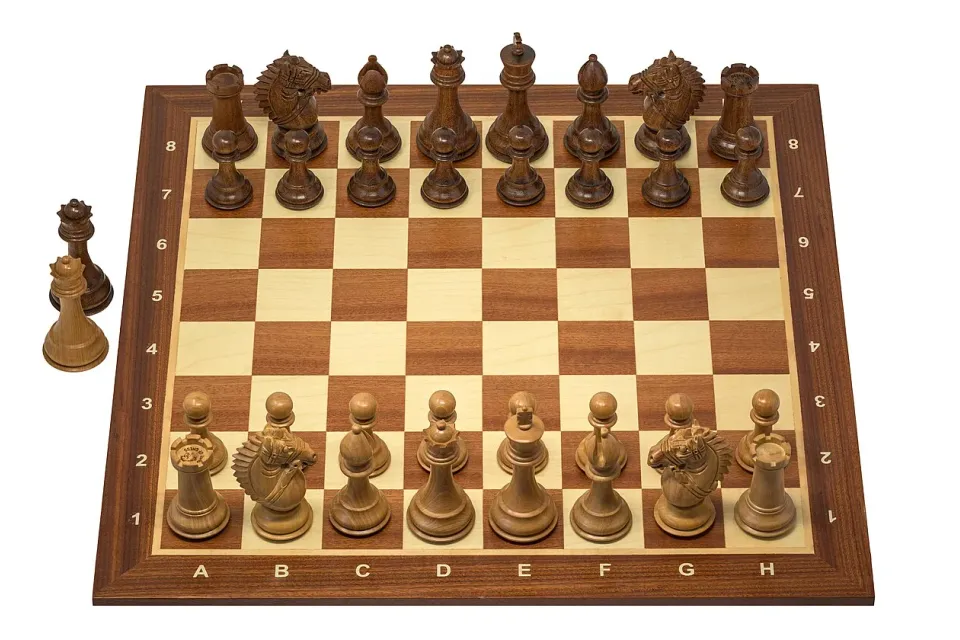
Duck Chess is the variant where a neutral duck piece gets planted on the board after every move, blocking whatever square it lands on for both players until it’s shuffled elsewhere. It’s fast, chaotic, and built for streaming clips rather than classical study, which is exactly why it lives on Chess.com’s variants platform instead of the FIDE calendar. Nobody is playing Duck Chess to build a rating career. They’re playing it because it’s funny, it’s hard to prepare for, and it travels well on a Twitch overlay.
That context matters when you look at the format Khachatryan had to survive. Eight qualifying arenas ran September 2-3 at a fast 3+2 time control. The field then narrowed to an eight-player double-elimination bracket for finals day on September 4, with the championship matches played as best-of-four.
Double elimination is a generous structure for the field but a brutal one for whoever sits at the top of the winners’ bracket. It means beating the same opponent twice in a row to close it out. Nhat Minh To, as the reigning champion, had already proven he could do exactly that kind of run last year. This time he ran into Khachatryan twice and lost both times, a much harder result to fluke into than a single knockout final would have been.
The finish had real chess in it too, not just bracket math. Khachatryan reportedly trapped both Nhat Minh’s queen and king using well-timed duck placement, and Nhat Minh lost the deciding Winners Final game on time despite holding a material advantage, the kind of detail that separates a genuine tactical squeeze from a lucky bracket run.
Nhat Minh didn’t walk away empty-handed, taking home that $500 runner-up prize alongside the title he surrendered. The payouts kept going deeper than most variant events bother with: $350 for third, $250 for fourth, $175 apiece for fifth and sixth, $100 apiece for seventh and eighth, plus a separate $100 streamer prize for WGM Adriana Nikolova.
Even a modest check further down that ladder functions less as compensation for playing chess and more as an appearance fee for showing up and putting on a show. It’s the same economic logic that keeps blitz arenas, bullet brawls, and freestyle side events stocked with recognizable names even when the prize pool wouldn’t cover a mid-tier open tournament’s entry fees.
The real money in variant chess was never going to be the purse anyway. It’s the audience numbers a $2,500 event can pull in when it’s dressed up as a championship, streamed with commentary, and attached to names players already recognize from serious over-the-board chess. Nhat Minh To holds an International Master title earned the traditional way; Khachatryan has built a reputation specifically as a Duck Chess specialist, and that specialization is itself a small, telling data point about how chess content creators are starting to carve out niches the same way streamers do in any other game.
So don’t read the $750 figure as a snub. Read it as a signal that Chess.com is comfortable treating Duck Chess the way a network treats a novelty game show: cheap to produce relative to a flagship tournament, but valuable precisely because it’s silly enough to pull in eyeballs that a straight rapid event never would.
This was the ninth of twelve Community Chess Championships Chess.com is running through 2026, and the series moves on to Seirawan Chess next, September 30 to October 2. Khachatryan beating the champion twice in one afternoon is a better story than the prize money, and in this corner of chess, the story is the product.
Original source: Chess.com
Noticed an error in the article? Report it from here.