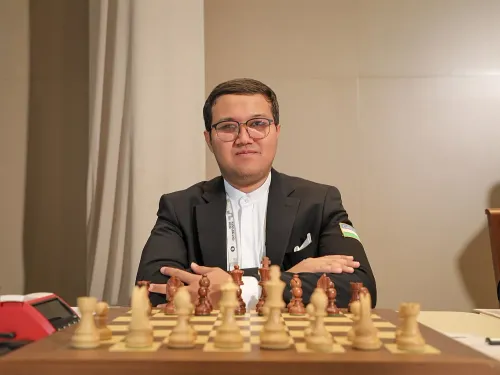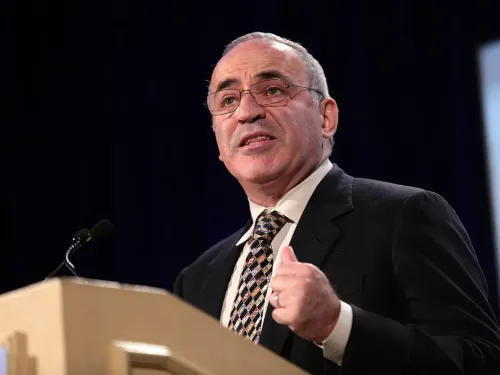
FIDE has opened the call for candidates for the upcoming elections to its Athletes Commission, a body meant to give players a formal seat at the table when the federation makes decisions that affect them. The commission will have between five and nine members, with mandatory representation of both genders, and the Council will settle on the exact number based on how many candidates apply and how ready they are to actually do the work.
This first cycle is explicitly a placeholder. Members elected this time around will serve an interim two-year term running from 2026 to 2028, a stretch FIDE says is meant to let the federation and the new commission hammer out proper rules for how the body should be composed and run going forward. After that, FIDE intends for future elections to be run by and among the players themselves rather than appointed through this transitional process.
The idea of a dedicated athletes’ body inside a sport’s governing structure isn’t new, and it isn’t FIDE’s invention. The International Olympic Committee created its own Athletes’ Commission back in the 1980s specifically to counter the perception that decisions about competitors were being made entirely by administrators who had never faced the pressures of competition themselves. FIDE’s language echoes that logic almost exactly.
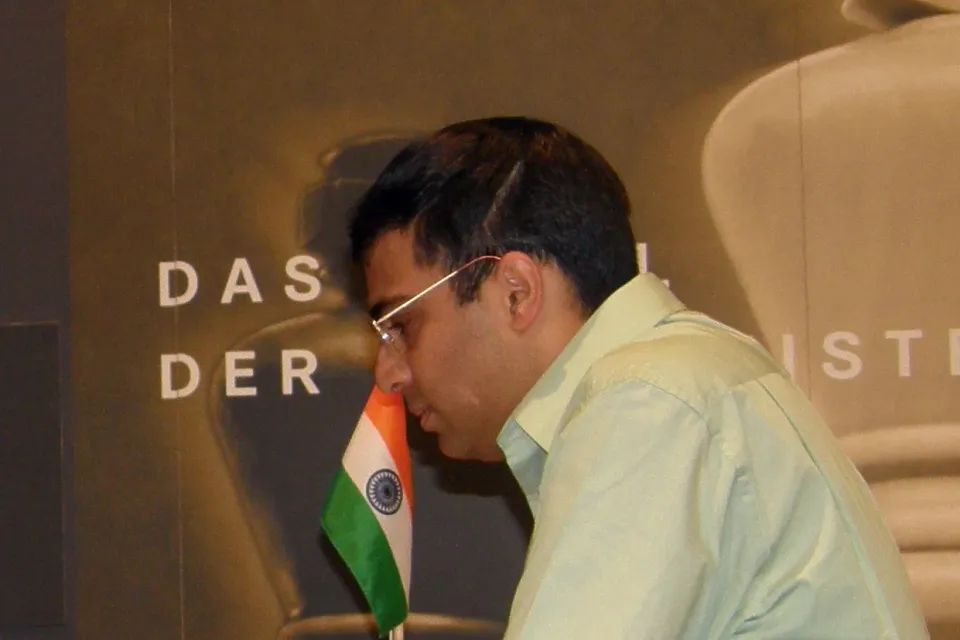
FIDE Interim President Viswanathan Anand framed it in similar terms. “As players, we experience the sport from a very particular perspective. We know where things work well, but we also see where improvements can be made,” he said, adding that he hopes candidates come forward who are “ready to listen to their fellow players, bring their concerns and ideas to the table, and help us build a Commission that the chess community feels genuinely represents them.”
The eligibility bar is narrow by design. Candidates must be at least 18, able to communicate reasonably well in English, and clear of any FIDE Ethics and Disciplinary Commission disqualification. More significantly, they must have competed in at least one of the last three World Championship cycles (open or women’s), meaning the World Cup, Grand Prix Series, Candidates Tournament, or Grand Swiss, or have already qualified for the next cycle. No federation endorsement is required, which lowers the bar for players whose national bodies might otherwise gatekeep who gets to represent them.
The mechanics are straightforward. Candidacies close on 7 October 2026, the verified list of candidates goes public no later than 12 October, and the newly elected FIDE Council will run the actual vote during that same October window. Applications go by email to office@fide.com, with a name and a clear statement of intent to stand; a short letter explaining why the candidate wants the role is encouraged but not mandatory.
Whether this body ends up meaningfully shaping FIDE’s decisions or becomes a symbolic add-on will depend heavily on who actually stands, and how much the Council listens once the commission is seated. The IOC’s version took years to move from consultative afterthought to a body with real influence over Olympic scheduling and athlete welfare policy. FIDE’s own governance has had its own bumpy stretches worth tracking, something Chessori has examined before in its look at the federation’s internal politics.
For now, the work ahead for whoever gets elected is defined but open-ended: develop concrete proposals for increasing player representation within FIDE’s structures, and help shape the additional regulations that will govern the commission itself once the interim term runs out in 2028. Nominations open now, with the clock running toward that October 2026 deadline.
Original source: FIDE
Noticed an error in the article? Report it from here.