Gukesh Dommaraju
Defending Champion Gukesh Dommaraju Holds Sindarov in Game 1 Draw
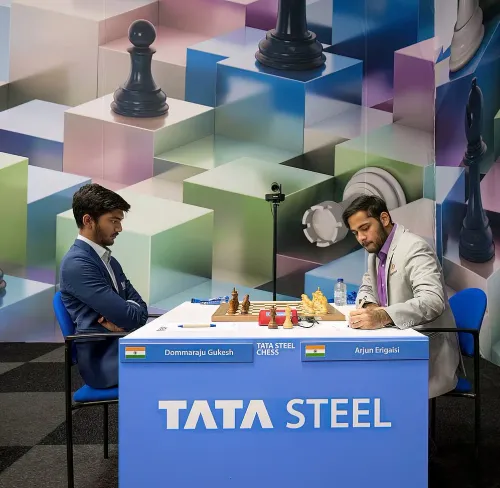
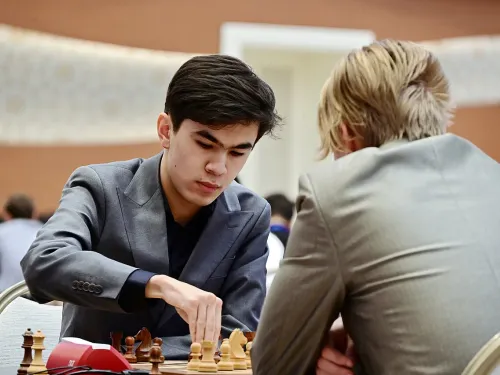
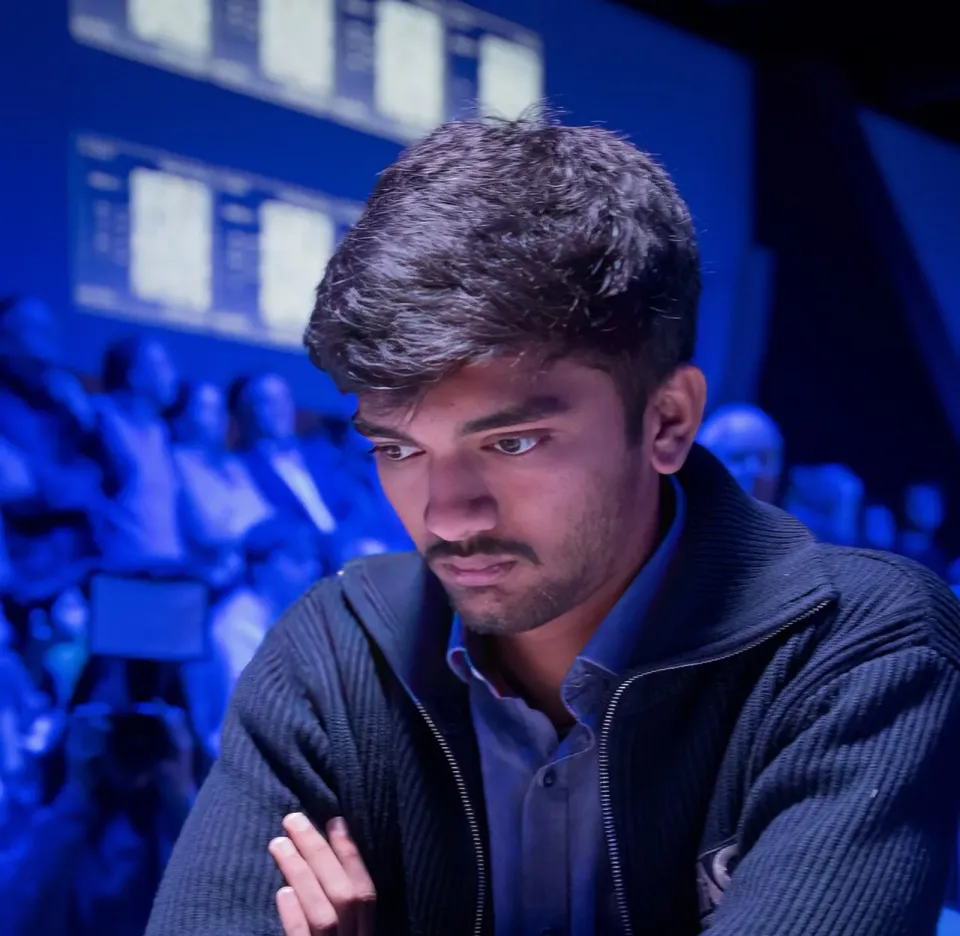
The 2026 World Chess Championship match began on Tuesday at the Fondation Martin Bodmer in Cologny, near Geneva, and Game 1 ended in a draw by threefold repetition on move 38. Javokhir Sindarov had White and won the clock battle. Defending champion Gukesh Dommaraju still held the balance.
The opening choice
The game began 1.e4 e5 2.Nf3 Nc6 3.Bb5 Nf6, so Gukesh went for the Berlin Defence. Sindarov then played 4.0-0 rather than the Anti-Berlin 4.d3, which allowed the much-explored Berlin Endgame. Gukesh followed the main line.
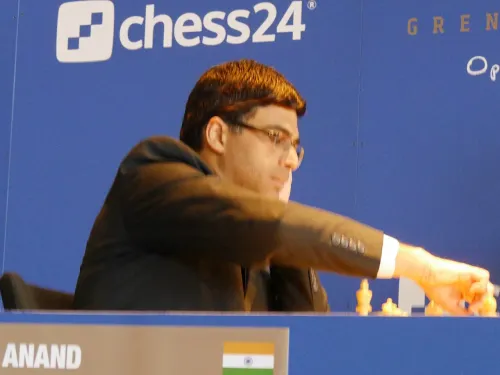
The Berlin has real pedigree in this setting. Vladimir Kramnik used it to blunt Garry Kasparov’s preparation in their 2000 London match. In 2014 in Sochi, Magnus Carlsen beat Vishy Anand in game 11 out of a Berlin.
Where the clock decided the story
Sindarov blitzed out his preparation through 13.Ne4, a novelty. Gukesh had been playing at a measured pace, and he spent over 15 minutes on his reply. That left him 25 minutes behind.
By the time Sindarov played 21.g4, a move that was not the engines’ first choice, the gap was 30 minutes. Gukesh had 16 minutes for 20 more moves, with no increment until after the first time control.
Sindarov then sacrificed a pawn temporarily, and tactical complications became hard to avoid. Precise play was needed from Gukesh to keep control.
Time spent early, paid back late
Here the champion’s earlier investment showed. Gukesh began to move quickly and confidently, apparently having worked out the critical lines in advance. Despite the clock deficit, he gave Sindarov little to work with.
Sindarov saw no benefit in playing on, and the repetition followed. One reading is that Sindarov’s preparation bought a time edge but not a concrete advantage.
There was one side note. Sindarov incorrectly claimed a draw and was penalised by the arbiters, losing two minutes on the clock. ChessBase called that a formality.
What the players said
At the press conference, Gukesh said he felt he had things under control throughout and did not “really need to be worried”. Sindarov acknowledged that his opponent had “defended very well”.
Praggnanandhaa Rameshbabu, the world number seven, wrote on X: “Incredible first game of World Championship match! High quality game from both! Gukesh found great moves under pressure!”
Vidit Gujrathi called it a very high-quality game for the opening round of a match, noting Sindarov’s new opening idea and that Gukesh was “dangerously low on time at some point.”
IMHO, a very high quality game considering the pressure of an opening round match. Sindarov showed a new opening idea but Gukesh found good moves, although he was dangerously low on time at some point.
Anish Giri, the world number 11, sounded a warning: Gukesh brushed off his time spending, but Giri thinks it “can backfire later on in the event.”
Good game by both players, but even though he confidently brushed it off, the excessive time spending can backfire later on in the event for Gukesh.
Something to keep in mind.🧐
A young match with a birthday on it
By average age this is the youngest World Championship match in history, with both players 20. Gukesh became the youngest undisputed champion at 18 when he beat Ding Liren. Sindarov turns 21 on 8 December, the day Game 12 is scheduled.
Carlsen won his third title match on his 26th birthday, 30 November 2016, in rapid tiebreaks against Sergey Karjakin. Sindarov could only repeat that in Game 12 if the match is still undecided up to that day. Our look back at 140 years of title matches covers the history.
What comes next
Game 2 is today, Wednesday 25 November, followed by Game 3 on Thursday and a rest day on Friday. Games 4 to 6 run from 28 to 30 November. The match is 14 games, with tiebreaks, if needed, on 12 December.
- 1.
- 2.
- 3.
- 4.
- 5.
- 6.
- 7.
- 8.
- 9.
- 10.
- 11.
- 12.
- 13.
- 14.
- 15.
- 16.
- 17.
- 18.
- 19.
- 20.
- 21.
- 22.
- 23.
- 24.
- 25.
- 26.
- 27.
- 28.
- 29.
- 30.
- 31.
- 32.
- 33.
- 34.
- 35.
- 36.
- 37.
- 38.
Original source: ChessBase
Noticed a mistake? Report an error in this article.