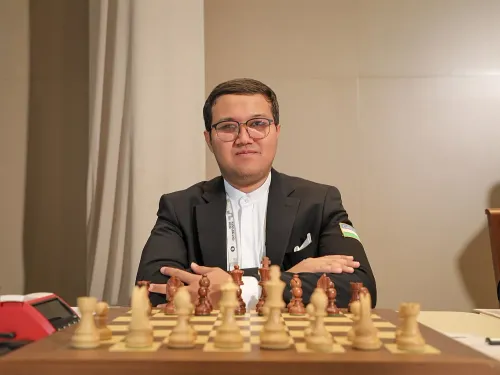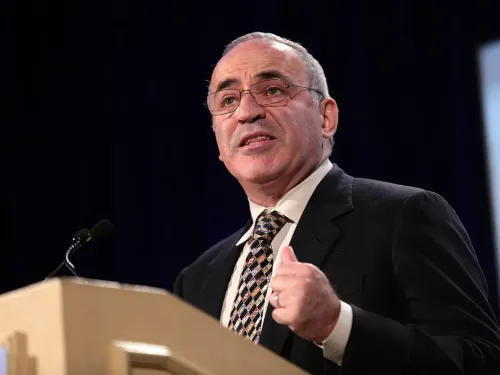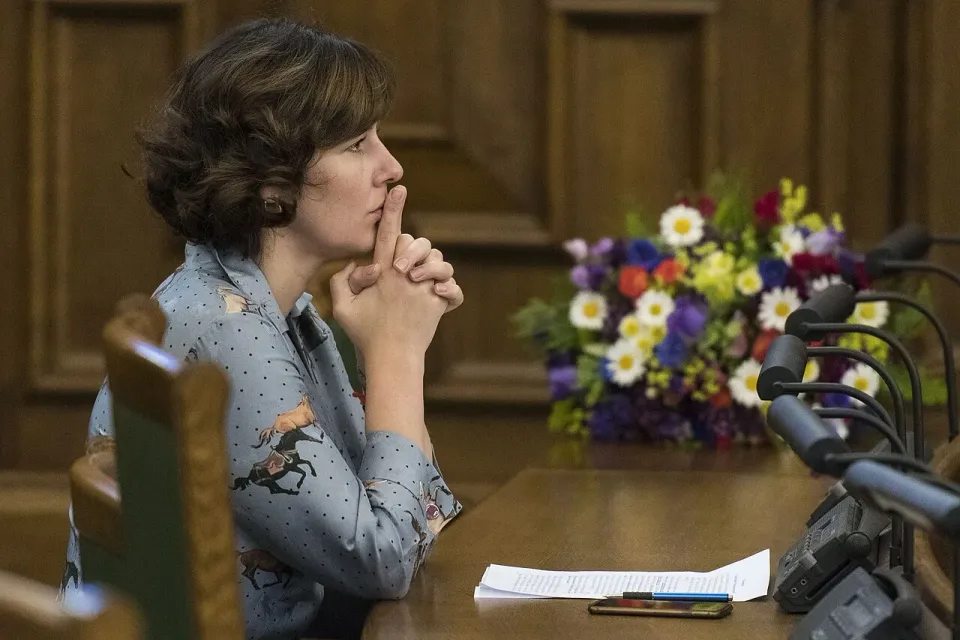
Uzbekistan has spent the last several years turning itself into one of chess’s busiest hosts, and this week it added a genuine first.
The 3rd FIDE Chess Olympiad for People with Disabilities opened in Samarkand with a record 41 teams, and for the first time the event is being staged in the same city and the same window as the main FIDE Chess Olympiad rather than as a separate occasion on the calendar.
The numbers alone mark it as the biggest edition yet. Minister of Sports Adkham Ikramov told the players gathered at the Hilton Hotel that they represented “36 countries, 41 teams and around 200 chess players,” language he used to frame the event as a showcase of what he called the participants’ power, passion and will.
Ikramov, who is also a medical doctor, said it mattered to him personally that the broader Samarkand chess season opens with this competition rather than closes with it.
The scheduling itself tells you how deliberately FIDE built the sequence. Round 1 of the disability Olympiad starts September 11, running one round a day through a seventh and final round on September 17 at 11:00 local time. The 46th FIDE Chess Olympiad then begins five days later, on September 16, so for one week both events and the FIDE Congress overlap in the same host city.
That layering is where the historical framing gets interesting. FIDE Deputy Chair Dana Reizniece used the opening ceremony to reach back rather than forward, recalling ivory chess pieces uncovered by archaeologists in the region and dating back more than a thousand years.
She described that discovery as a seed, later “nurtured by smart and capable governments, and creating the future of chess here in Samarkand and in Uzbekistan.” It’s a deliberate rhetorical move: tying a disability-focused event, still a relatively young fixture on the FIDE calendar, to a country whose chess lineage predates the federation itself.
Reizniece pushed the theme further, calling the gathering “a celebration of determination” and defining that word not as flawlessness but as the ability to keep making the next move through difficulty. She tied it directly to the sport’s own nature, noting that the game gives players a position as it is and simply demands a response, before closing with FIDE’s motto, Gens una sumus.
The sporting details got their moment too. Chief Arbiter Nebojsa Baralic conducted the draw of lots for colors, with FIDE’s Akaki Iashvili and Uzbekistan Chess Federation Vice President Komil Sindarov drawing for top-seeded Poland, who came away with White on board one for Round 1.
The competition itself runs as a seven-round Swiss team event, with squads built from players with hearing impairments, physical disabilities and visual impairments, and every roster required to field at least one player of each gender in each round.
What makes this edition different from its two predecessors isn’t just the size of the field. It’s the decision to fold the event into the same city, the same period, and by extension the same media and institutional spotlight as the sport’s flagship team competition.
Whether that pairing becomes the template for future Olympiads or stays a one-off tied to Samarkand’s turn as host is a question the next edition, wherever it lands, will answer.
Original source: FIDE
Noticed an error in the article? Report it from here.